Welcome to the Inebriation in Art Archive
Our Mission:
This website aims to serve as a living archive of visual representations of inebriation from the 19th century in the United States. This platform catalogs, shares, and contextualizes how inebriation has been depicted throughout the history of art. We seek to research, understand, and raise awareness of how visual narratives of inebriation have influenced societal attitudes. We are interested in how visual narratives contribute to stigmatizing rhetoric toward various communities.
We also hope to explore the question of how inebriated people should be mindfully represented in art and society. Specifically, in a way that does not perpetuate harmful and characterizing narratives.
We find it necessary to learn from and collaborate with people in and around the addiction and substance-using community. Specifically, regarding how to discuss these harmful visual narratives placed upon the inebriated figure.
Art history research needs to be conducted in collaboration with affected communities of visual hate and exclusion; this website’s goal is to do just that.
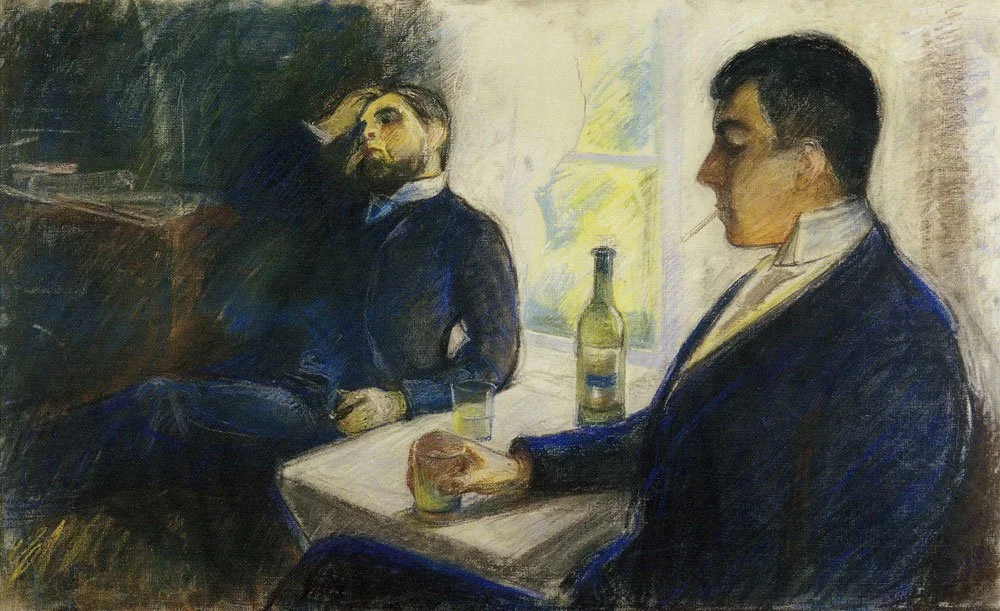
Edvard Munch, Public domain, via Wikimedia Commons
Our Vision:
Depictions of substance use are often employed as a means to question one's civility, morality, and humanity. This website’s goal is to aid in deconstructing the perpetuation of stigmatizing visual narratives by creating a platform that discusses the historical representation of the inebriated body. This is a space designed to question and hold conversation about the context in which the inebriated body has and should be shown through public academic discourse.
At present, the platform focuses on 19th-century works of art from the United States. Our goal is to include research from a wide array of other countries and time periods. This will be done in increments to allow in-depth exploration of each period and location at a time. This is currently an independently done project, so please bear with us on the slow progress.
This website aims to help deconstruct the perpetuation of stigmatizing visual narratives by providing a platform that examines the historical representation of the inebriated body. It is a space designed to question and foster discussion about the contexts in which the inebriated body has been presented through public academic discourse.
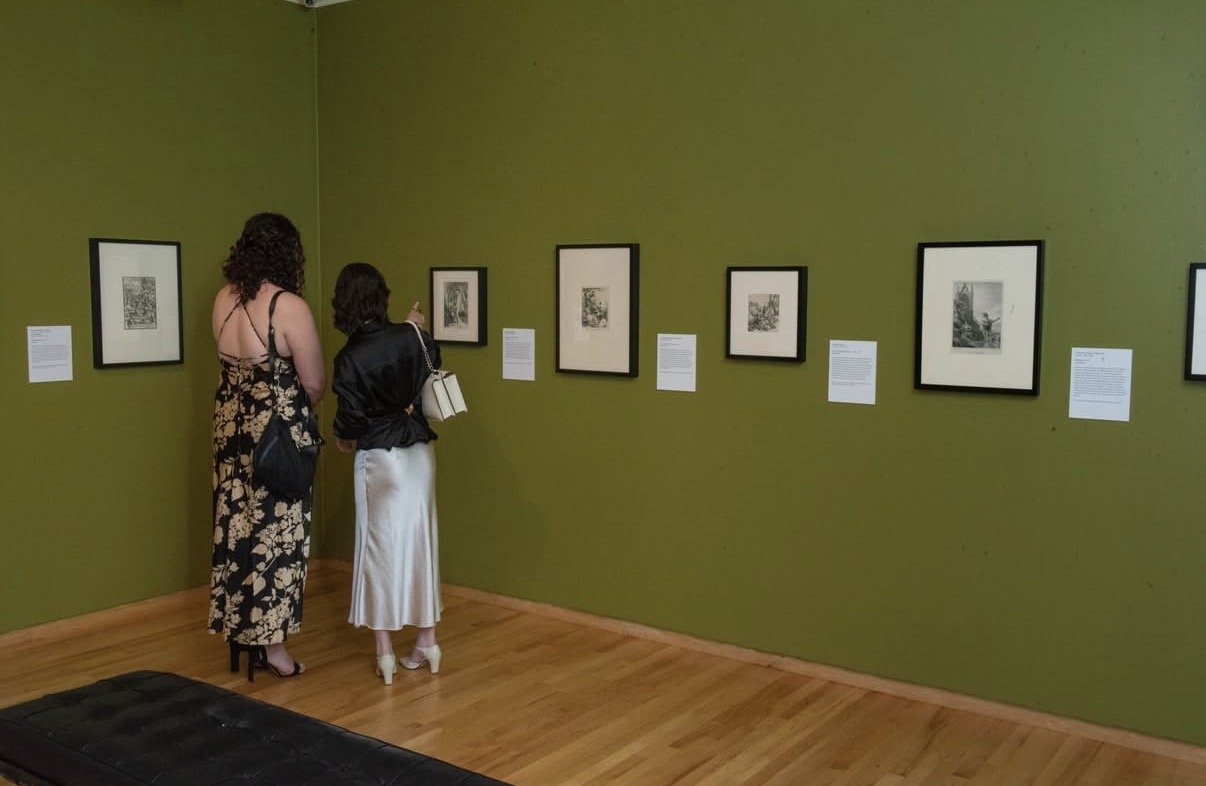
She is a white American, able-bodied queer woman who has experience in and around addiction as a friend and an ACOA (Adult Child of an Acoholic). She is a, soon to be, bachelors graduate with an Art History Major and Arts Administration and Media and Film double Minor. Her studies focus on the depiction of inebriation and addiction in American and European Art and Media. Her professional work has revolved around domestic space, how art and design can be used to create spaces of community through the dichotomatic use of the visually dehumanized “other.”
If you feel any identity and bias come through in the case study writing in a harmful and derogatory manner, please reach out so we can address it, learn, and make amends.
About the Author:

What is a living archive?
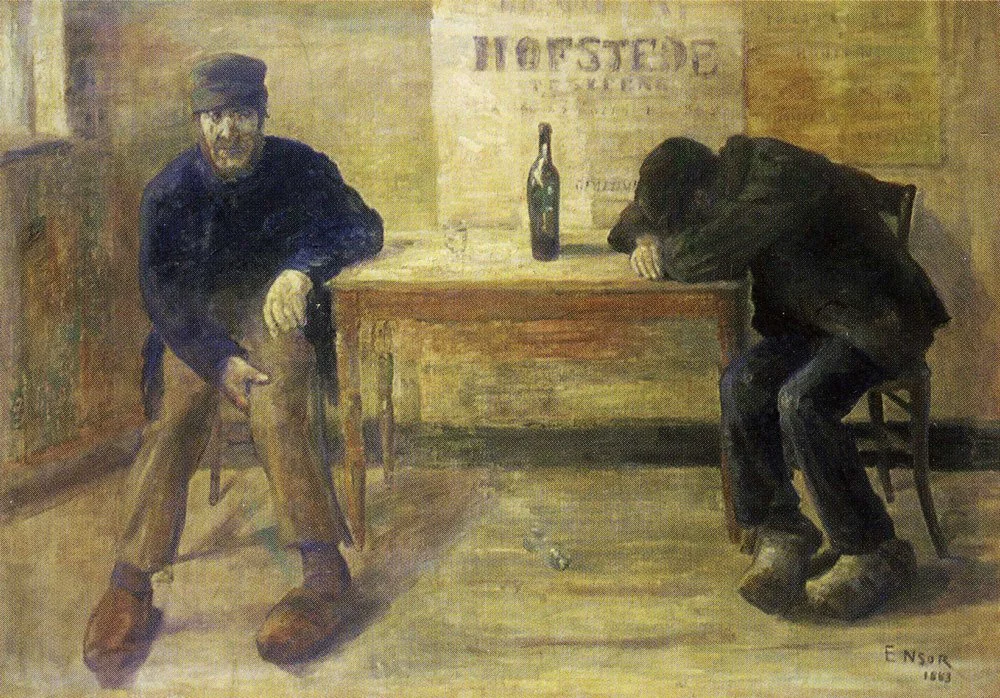
James Ensor, Public domain, via Wikimedia Commons
Wilhelm Busch, Public domain, via Wikimedia Commons
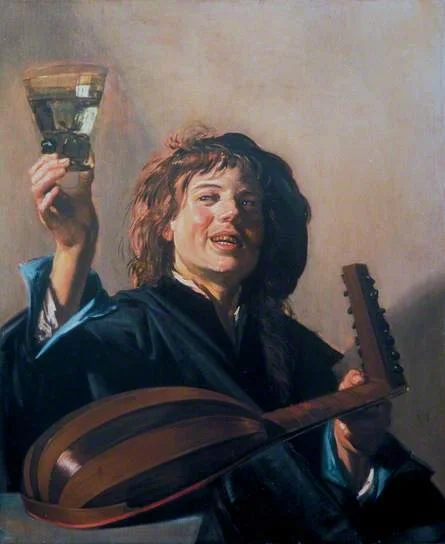
Franz Hals, Public domain, via Wikimedia Commons
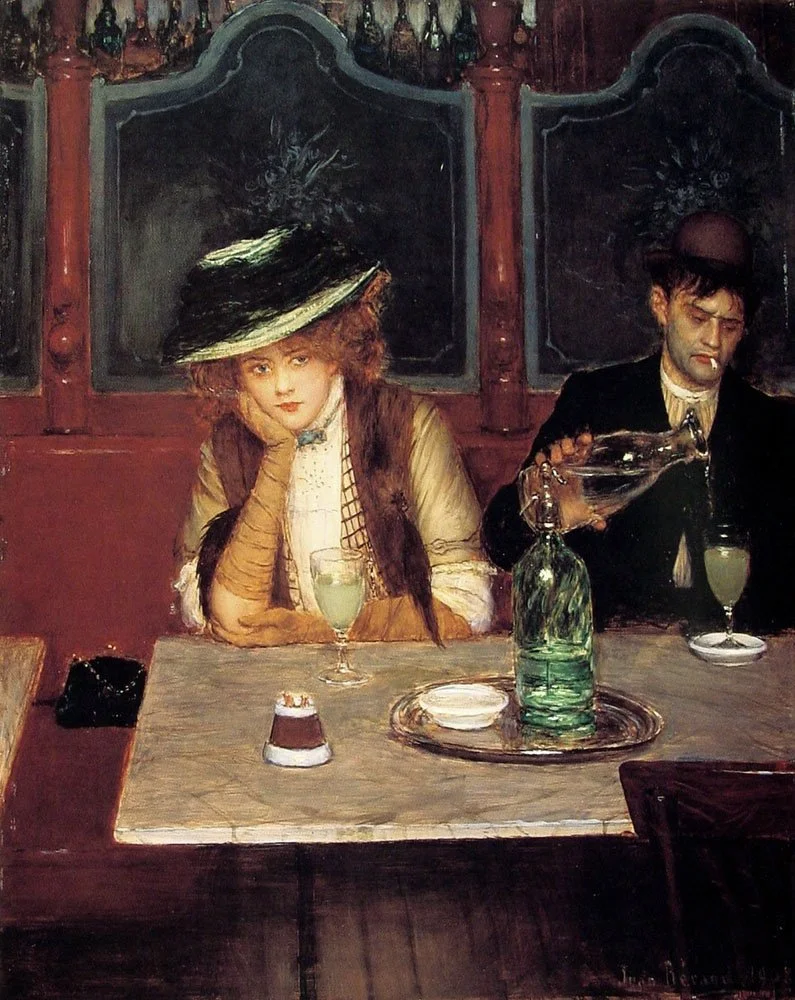
Jean Béraud, Public domain, via Wikimedia Commons
Our description of a living archive is an online database that is continually edited, reviewed, expanded, and placed in new contexts. We seek to make art historical and visual studies research on this topic publicly accessible, open to commentary, and collaboratively written.
Open access and community contributions:
We view this living archive as an open database that can be explored and is as accessible as possible within the limits of this platform. We acknowledge that much of the content may not be fully accessible to all viewers due to barriers related to privately owned or published artwork and articles, which require consent and collaboration with other authors and institutions.
We encourage all participants to provide and share their own context and opinions on these artworks. We especially support individuals who are part of or connected to addiction and substance use communities in engaging with this material. We welcome people to share their thoughts, research, and insights on works already discussed, as well as those not yet included. We are currently only publishing additional research and commentary on visual works from 18th- and 19th-century art created in the United States.
We invite people to email share@inhebriationinart.com to contribute to the community research section of this website. All submissions will be reviewed before publishing. Contributors will have authority over whether they want it published and the choice of anonymity; if they choose anonymity, they may re-email at any point and have their name reinstated. We reserve the right not to publish if they are deemed inappropriate or outside the bounds of the community guidelines. For more information on submitting, please visit the Community Guidelines page.
Nicolas Lancret, Public domain, via Wikimedia Commons
Contact us:
We want your knowledge, opinions, and critiques!
Please share any research or information you feel this website would benefit from.